
Dental Implants
FP1 full-arch dental implants in Orlando, FL.
All-On-4 without the pink gum line
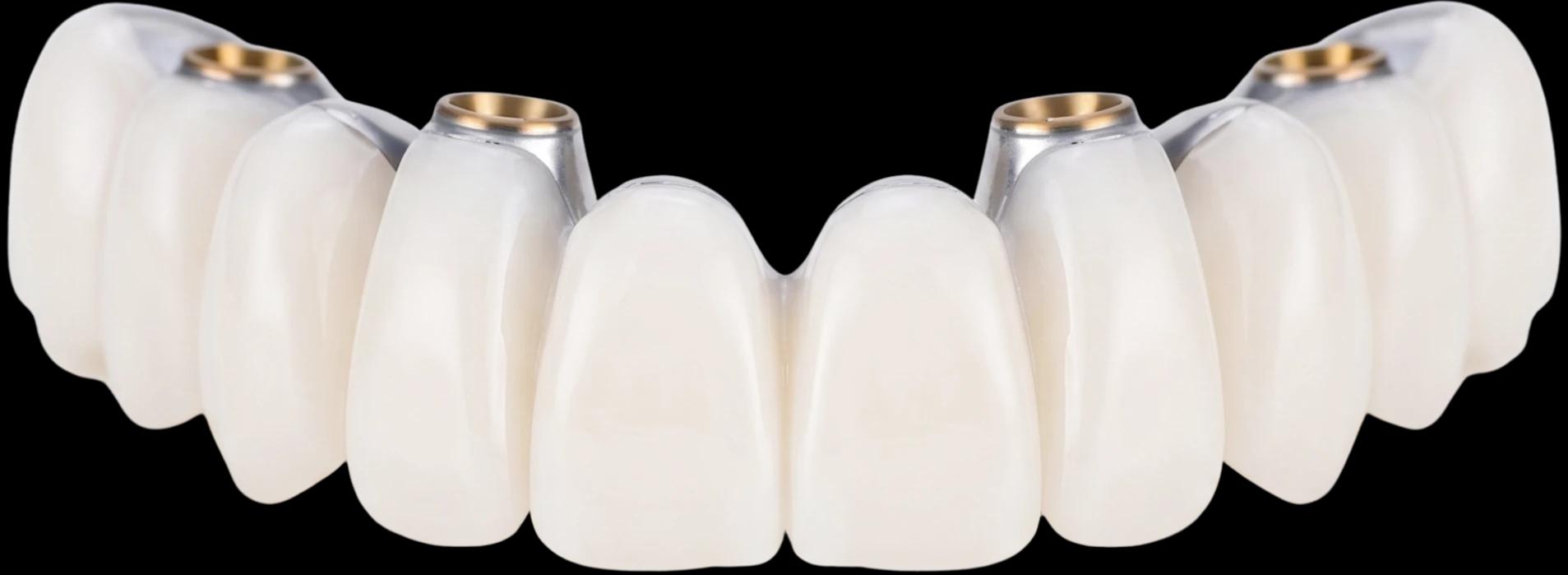
A fixed full arch of zirconia teeth, each one rising out of your own gum the way natural teeth do. There’s no pink material and no seam to hide when you smile.
 Medically reviewed by Dr. Paul Gundian, DMD FICOI
 Teeth only · no pink gum
An FP1 replaces only your teeth.
Most full-arch implant teeth are one curved bridge of teeth on a band of pink gum. It works and it’s predictable, but it sits on top of your gum line. With an FP1, each tooth rises out of your own gum, with your own gum between the teeth.
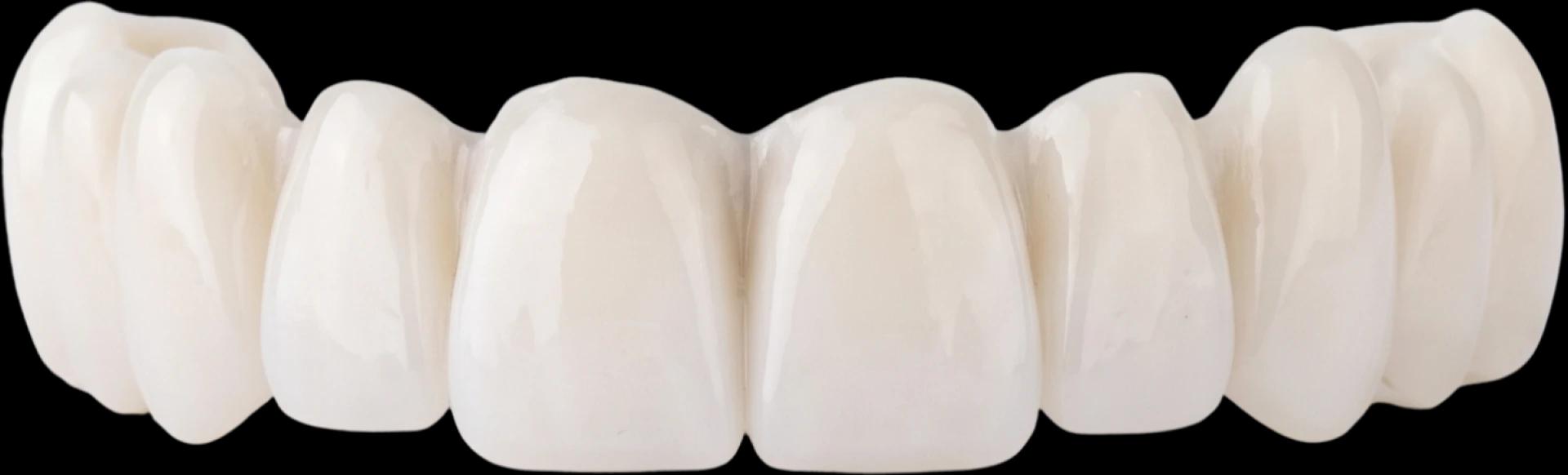
Where the name comes from
The name comes from Dr. Carl Misch's classification, which sorts full-arch teeth by how much they replace.
- FP1The teeth onlyReplaces the crown of each tooth. Looks like natural teeth.
- FP2Teeth and part of the rootSlightly long teeth, making up for some lost bone.
- FP3Teeth and gumPink acrylic or zirconia replaces the gum you’ve lost. Most full arches are FP3.
- RP4/5RemovableOverdentures held by implants, or by implants and your gums.
 Dr. Gundian is an FP1 provider. Your 3D CT scan at the free consultation shows whether FP1 is possible for you.
FP1 vs FP3 full-arch implants, side by side.
Nearly every full-arch implant case in the US is an FP3, and for a lot of mouths it’s the right answer. This is how the two compare.

| Teeth onlyFP1FP1 | Teeth on pink gumFP3FP3 | |
|---|---|---|
| Artificial gum line | None. Your teeth rise out of your own gum. | Yes, in pink zirconia or acrylic. |
| Bone reduction | None, or very little. | Usually required, by several millimeters. |
| Implants per arch | Usually 6 to 8. | Usually 4 to 6. |
| Lip and face support | From your own gum and bone. | The pink gum restores lost volume. |
| Bone you need | A lot: an intact ridge, or grafting. | Works even after major bone loss. |
| Visible transition line | None. | Possible with a high smile line. |
| Investment | Higher. | The standard full-arch price. |
Why FP3 became the standard
Pink gum puts back what's been lost.
After years in dentures, or after gum disease, the ridge that held your teeth has shrunk and the gum has receded. Pink material restores that tissue and supports your lips and cheeks. It looks natural because it replaces what's gone. It's forgiving too: fewer implants, and it works with major bone loss.
It all comes down to bone
FP3 usually means lowering your ridge.
An FP3 is thick: it holds the teeth and the gum. Making room for it means reducing the height of your jaw ridge, usually by several millimeters, and that's permanent. FP1 skips that step, so your ridge and your gum contours stay as they are.
Neither is better for everyone. Your jaw, as it is today, decides which one fits.
About All-On-4Where FP1 fits among your full-arch options.
Think of your full-arch options as a ladder, from a denture that comes out to fixed teeth with no pink gum.
- Option 1 · Removable, on your gums
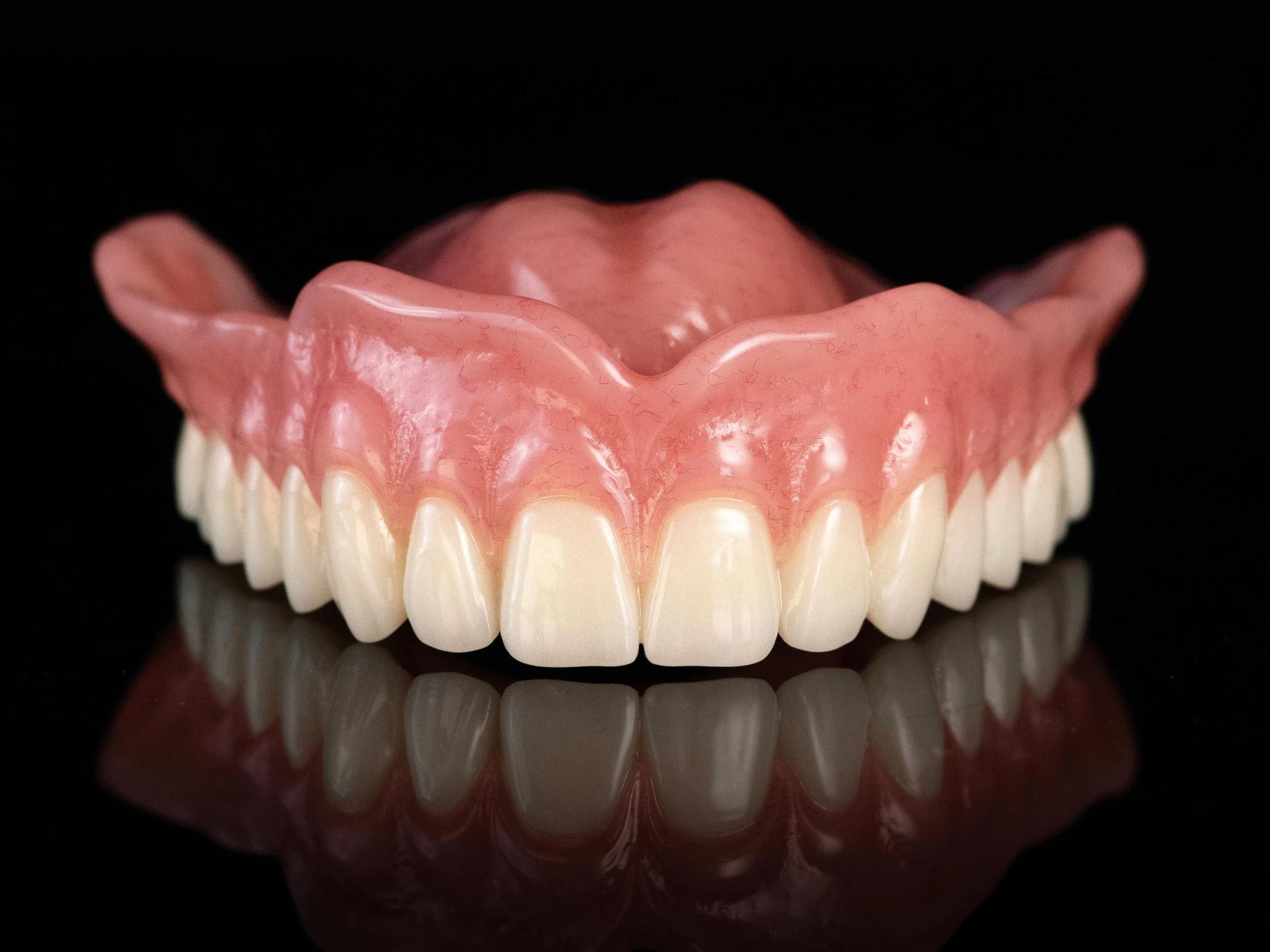
Digital dentures
Held by suction or adhesive, with no implants. Nothing works the bone underneath, so the ridge keeps shrinking and the fit gets worse. It’s the least expensive option and the least stable.From$1,999per arch - Option 2 · Removable, on implants
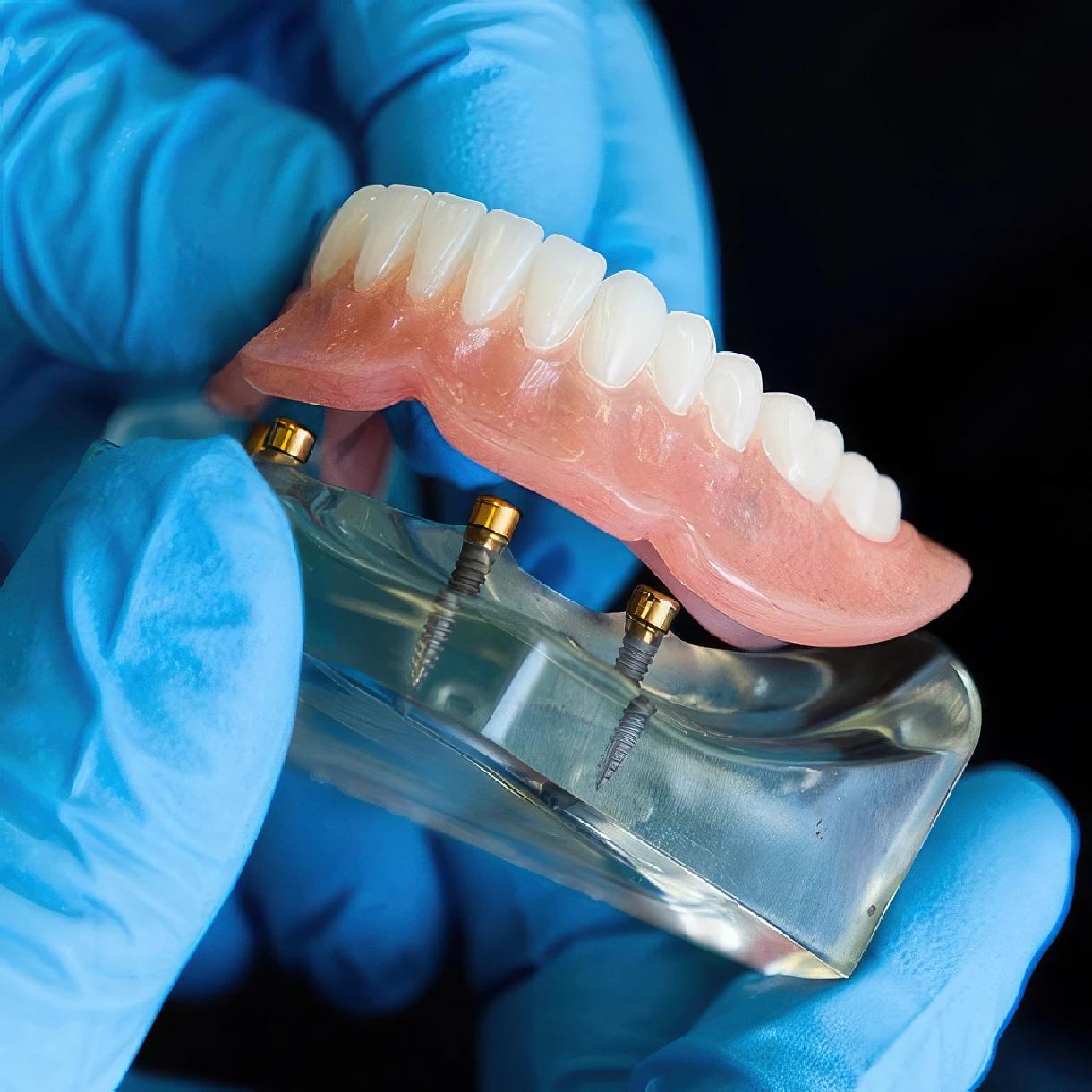
Snap-in implant dentures
Clicks onto two to four implants. Far steadier than a denture, but it still comes out at night and rests partly on your gums.From$4,900lower arch - Option 3 · Fixed, with pink gum
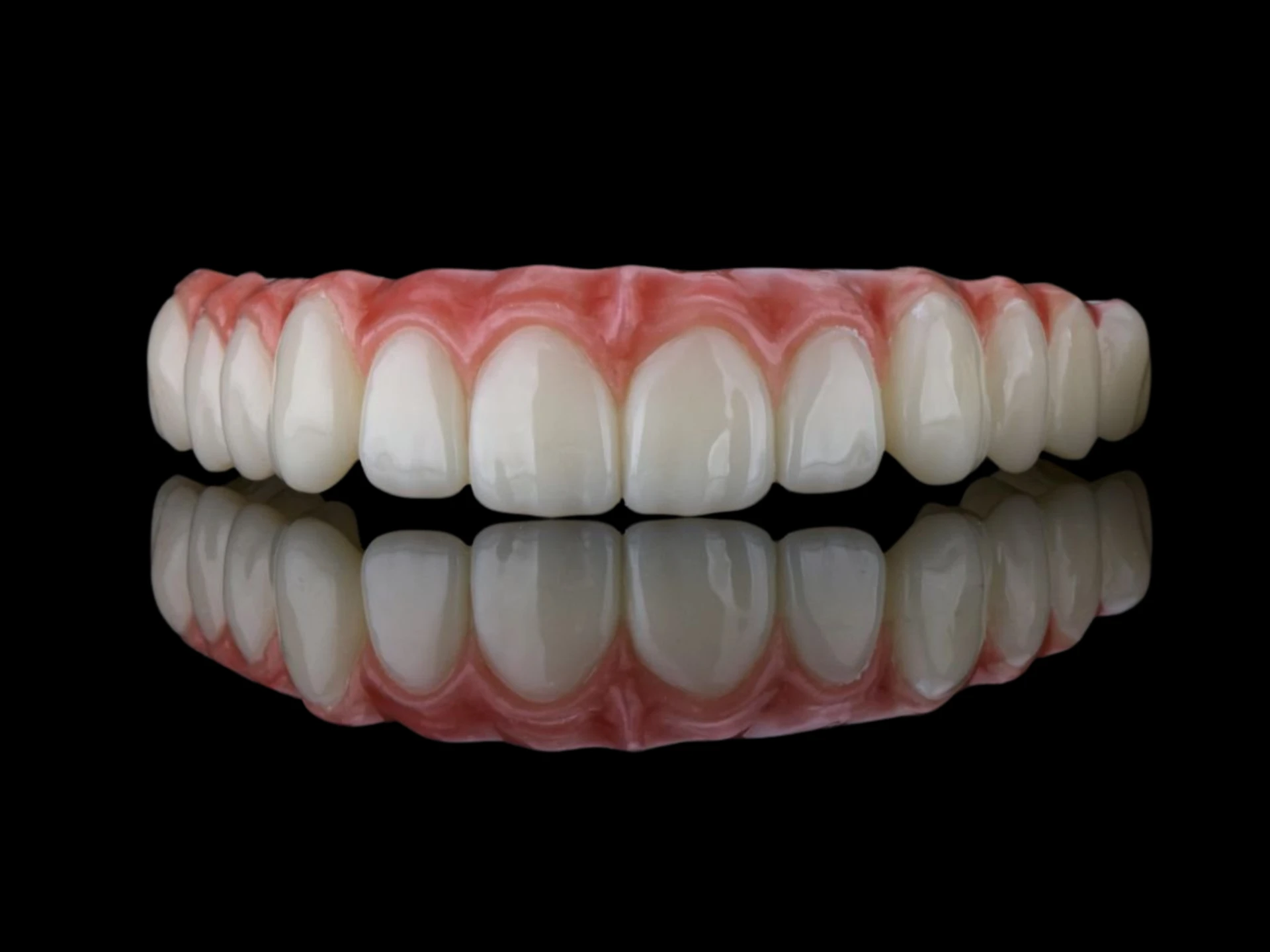
All-On-4 (FP3)
A fixed full arch on four to six implants. Its pink gum line replaces part of your own, and the bone you’ve lost.From$12,999per arch - Option 4 · Fixed, no pink gum
 You're here
FP1 full arch
Individual teeth rising out of your own gum on six to eight implants. It needs no pink material and no bone reduction, so there’s no transition line.From$19,999per arch
Not sure which rung is yours? Your 3D CT scan at the free consultation answers it. What happens at your first visit
FP1 works with the bone you have today.
FP1 keeps the bone you have, and there's no pink material to cover what's been lost. It takes a 3D CT scan to know which group you're in.
FP1 may be right for you if
- You still have your teethEven if they’re broken or failing.
- You lost your teeth recentlyOr you’ve only worn a denture a short time.
- Your jawbone is still healthyGum disease hasn’t taken much of it yet.
- You show gum when you smileWhere a fake gum line would be hardest to hide.
- You’ll take care of themDaily cleaning, regular visits, and a nightguard at night.
FP3 may be right for you if
- You’ve worn dentures for yearsAnd your jawbone has shrunk over time.
- Your face has lost fullnessYour lips and cheeks need their support back.
- Gum disease took your teethAnd the gum between them went with it.
- You’d rather skip bone graftingOr your health makes it a poor idea.
- You grind or clench hardEnough that single teeth would be at risk.
In the second group? A well-planned FP3 gives you fixed, natural-looking teeth, and with major bone loss, a better result than FP1 could.
Already quoted for All-On-4?
Ask about FP1 before any bone is reduced.
If another practice has recommended a conventional full-arch bridge, find out whether you qualify for FP1 first. Bone reduction can't be undone.
Dr. Paul Gundian, DMD FICOIFP1 provider · 1,000+ smiles restoredThe benefits of FP1 full-arch implants.
The differences on paper are technical. In everyday life, they come down to these four.
Nothing to hide when you smile
Without a prosthetic gum, there’s no seam where it meets yours. Smile as wide as you like.
Your own bone, preserved
Nothing is flattened or reduced to make room. The ridge that has held your teeth your whole life stays as it is.
Room to talk and taste
Far less material in your mouth than a conventional bridge. Most patients speak normally within days.
Teeth that feel like yours
Your tongue meets your own gum between the teeth, the way it always has. No shelf of acrylic or zirconia sits behind them.
Only FP1 gives you all four, though FP3 is a great option for many people.
Smiles from our own full-arch patients.
Every smile here is one of Dr. Gundian's own patients, planned and placed by him.
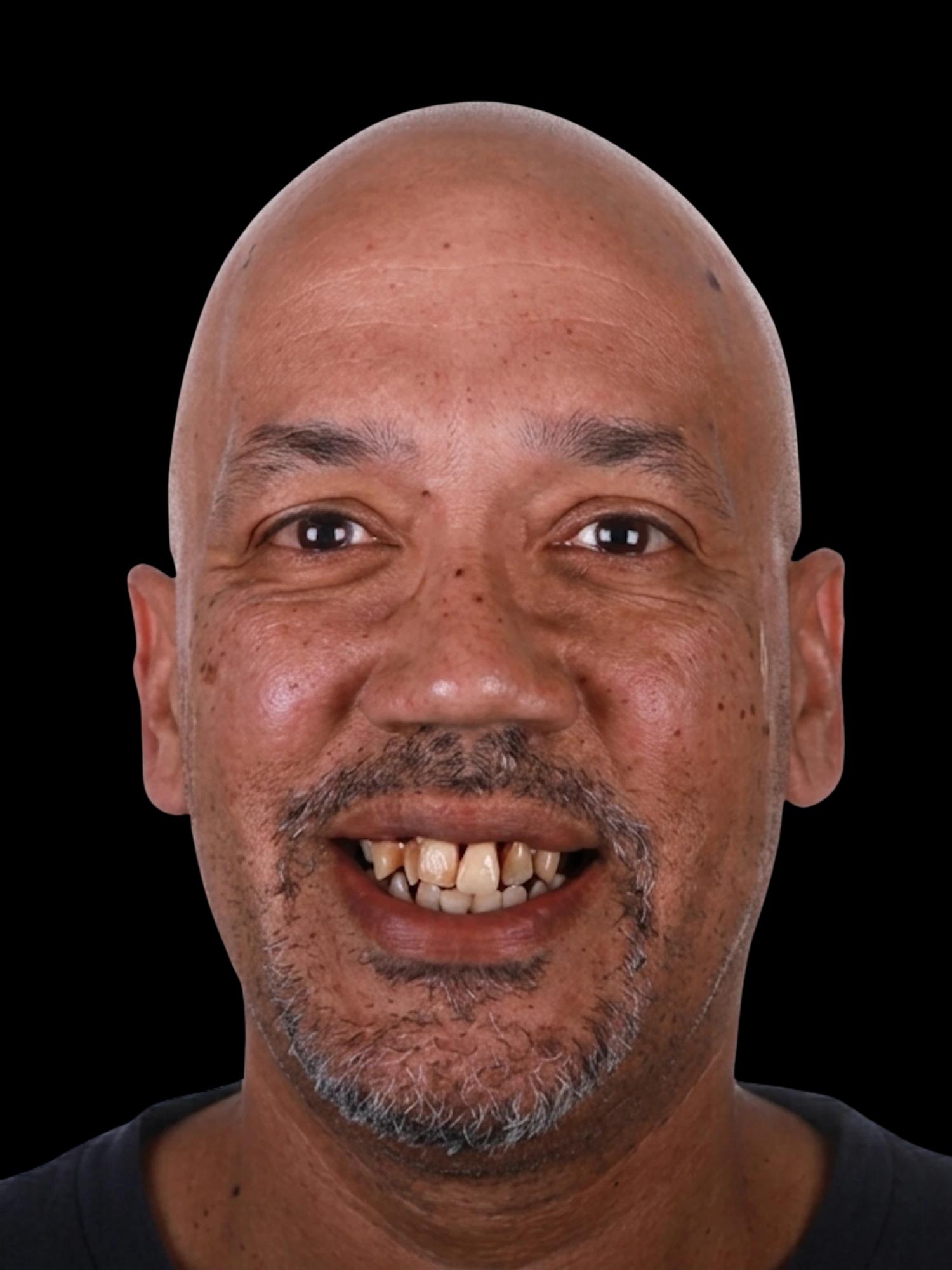 Before
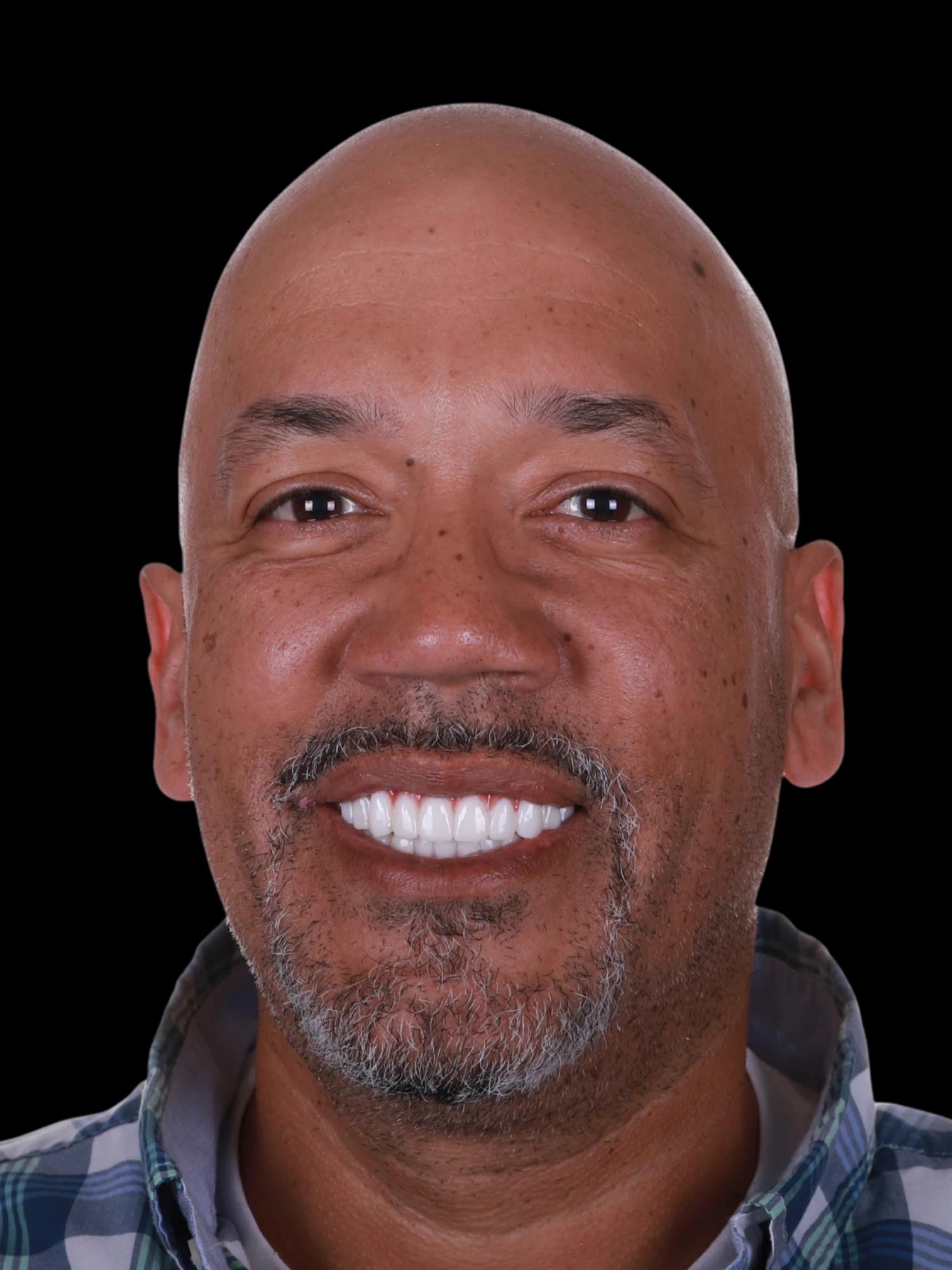 After
Full mouth dental implants
 Before
 After
Full mouth dental implants
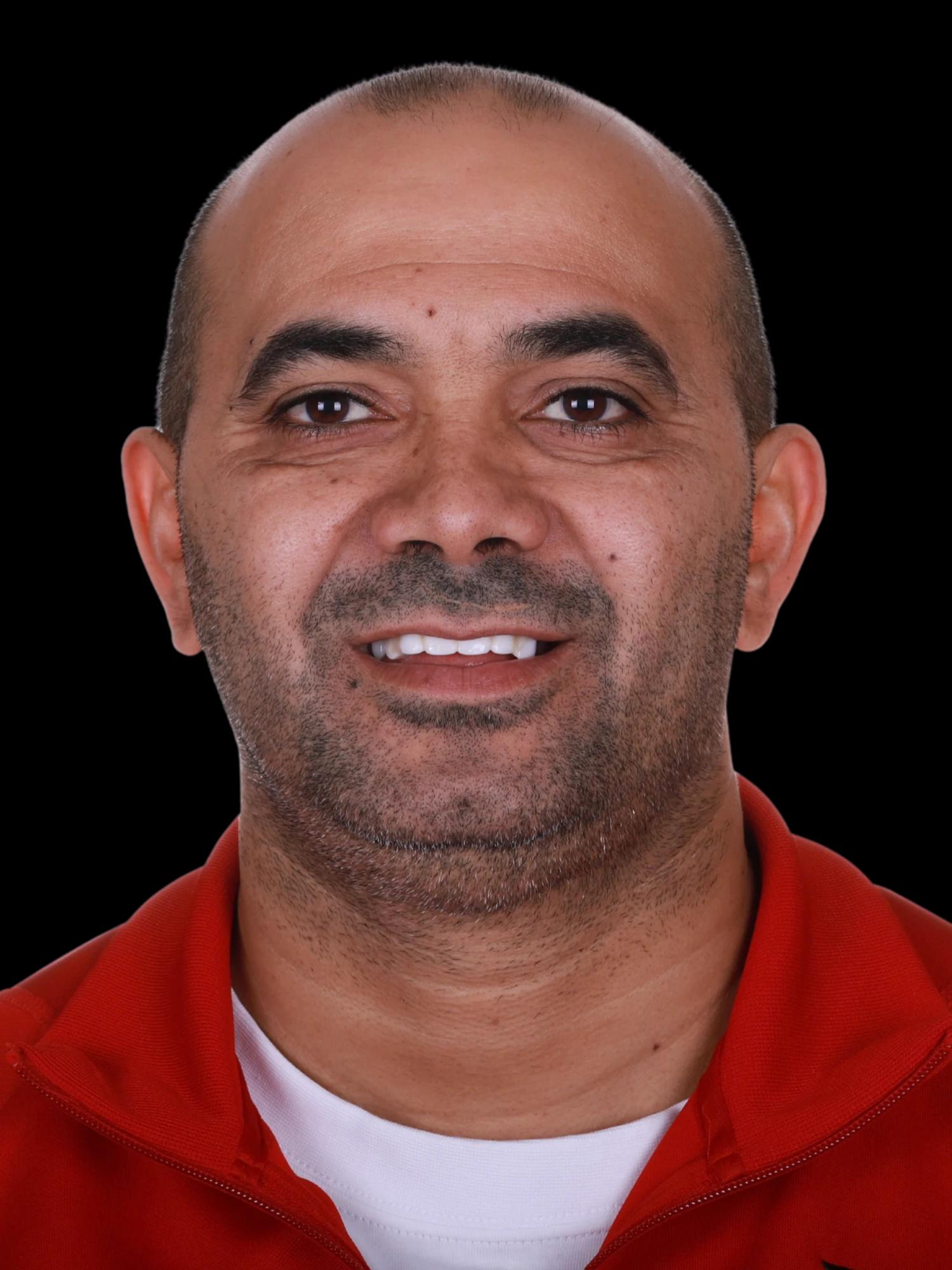 Before
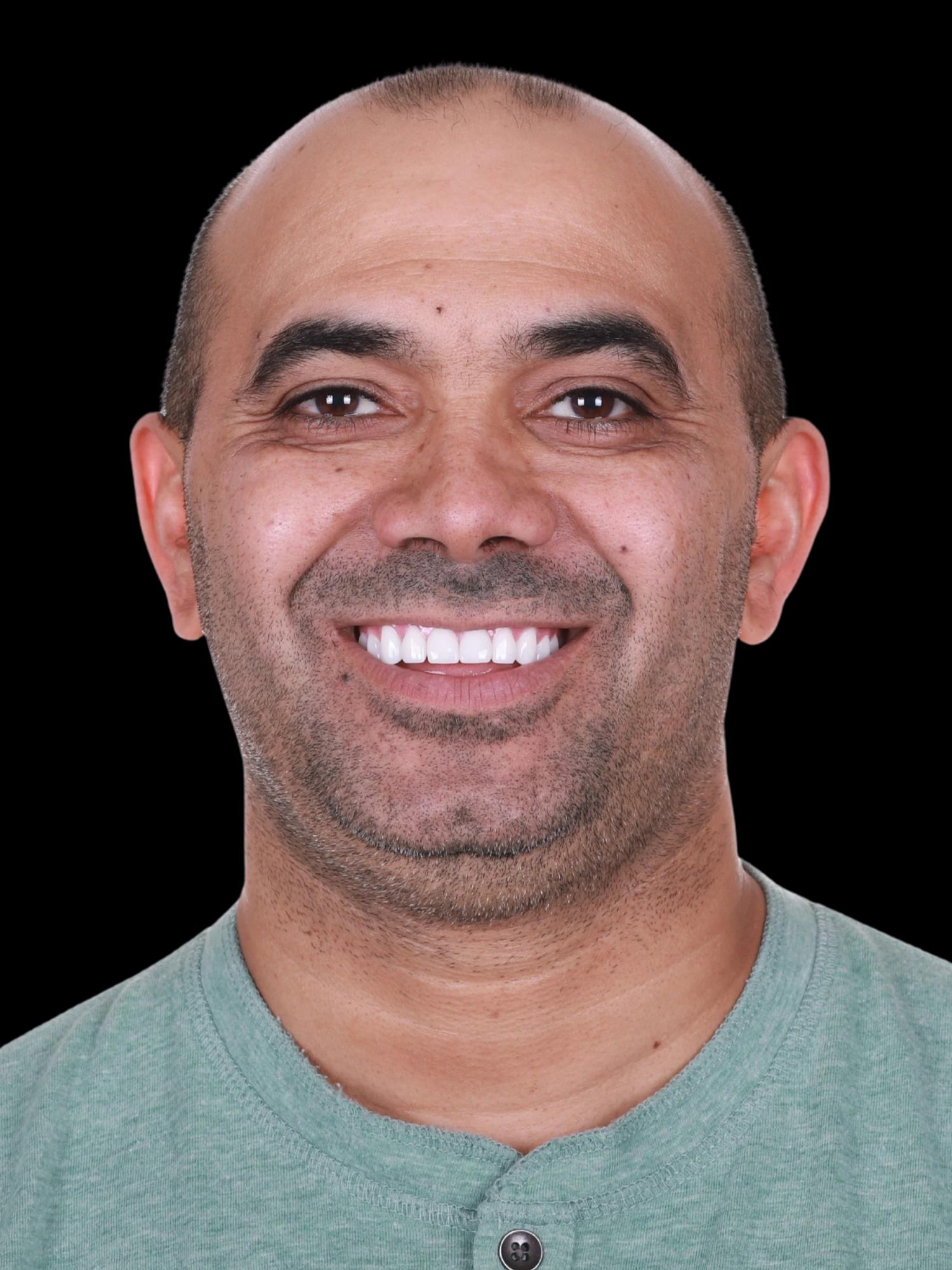 After
Full mouth dental implants
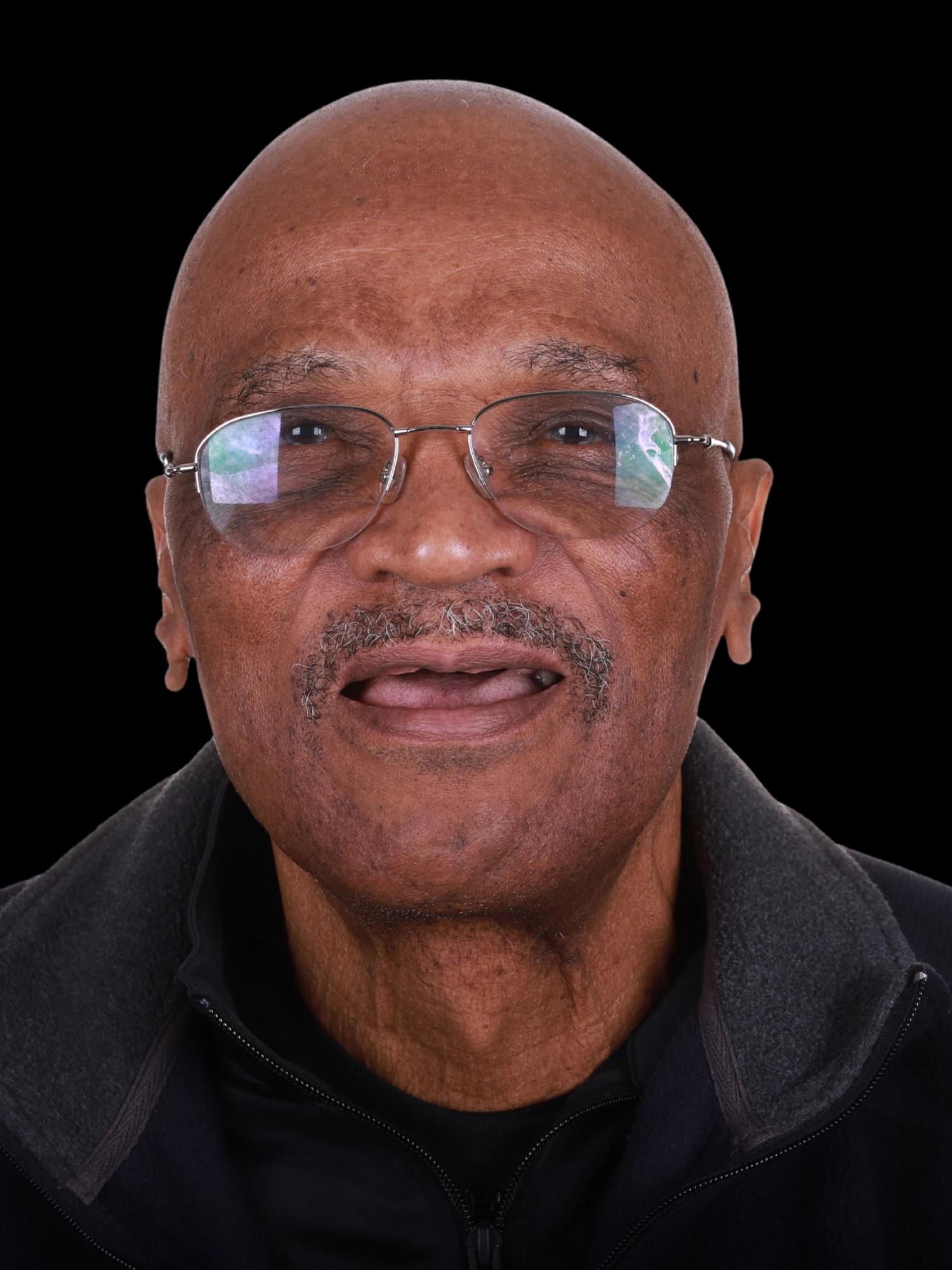 Before
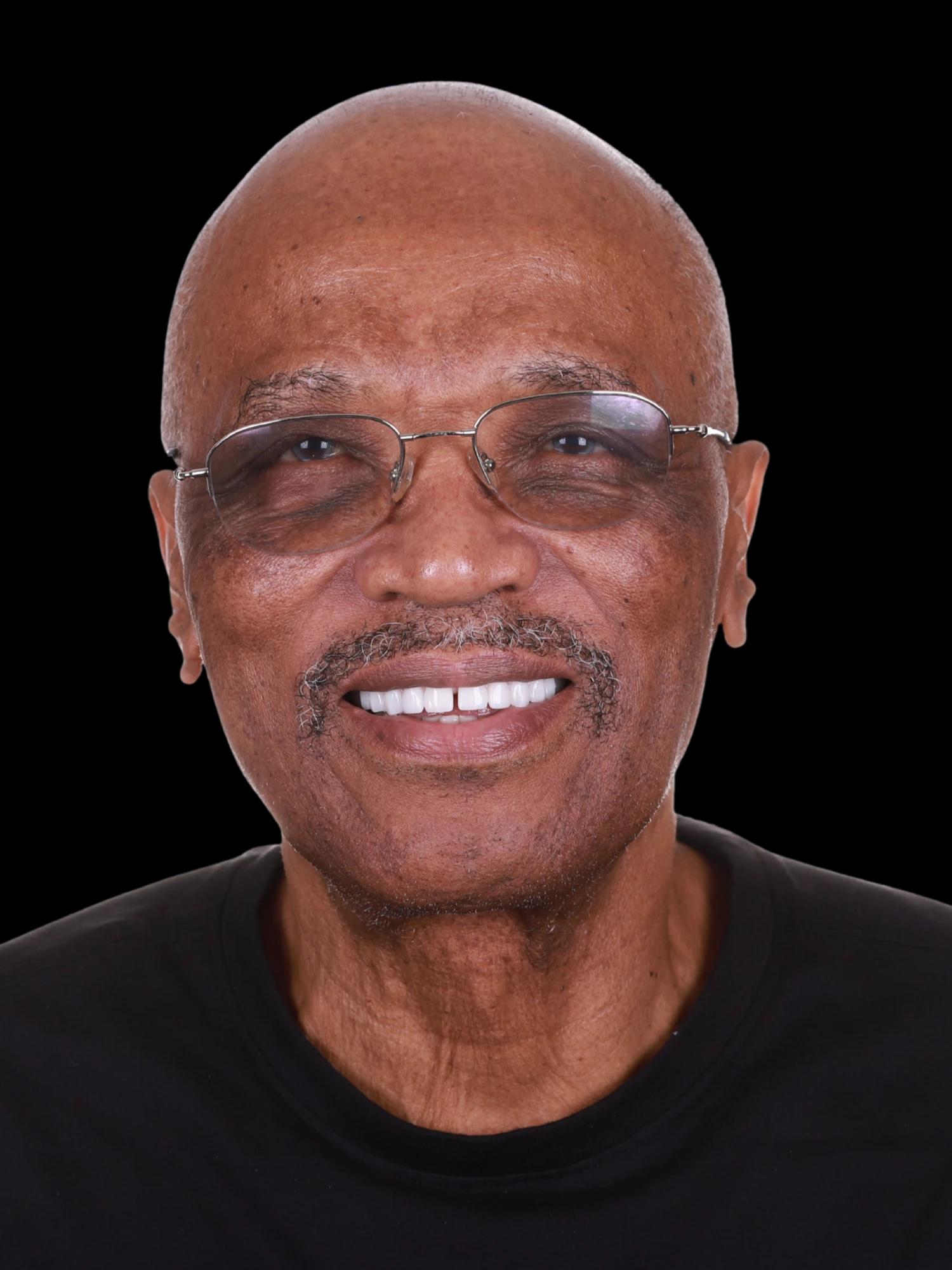 After
Full mouth dental implants
01 / 04
One written price, before you commit to anything.
FP1 costs more than a conventional full arch. There are more implants to place, and the planning, surgery, and lab work all take more care. Your consultation gives you an exact figure.
 Six to eight implants per arch
- Full Milled Zirconia
FP1 full arch
Starting at$19,999per archYour price depends on how many implants you need and whether grafting is part of the plan. Both arches at once costs less.
What’s included- 3D CT scan and digital smile design
- Extraction of any remaining teeth
- Bone grafting, if you need it
- Six to eight implants per arch
- Oral sedation
- PRF therapy for faster healing
- Healing teeth the same or next day
- Custom abutments
- Your final zirconia FP1 teeth
- Titanium bar, if you need it
- Every visit through delivery, and follow-up care
Limited lifetime warrantyDetails
A permanent smile should actually be permanent.
Our All-On-4 / All-On-X zirconia restorations are designed to your exact specifications in our on-site digital lab and built to last. We're so confident in our work that we back every zirconia full-arch restoration with a Limited Lifetime Warranty.
One written price, and monthly payments if you want them.
Most patients finance some or all of their treatment. Three lending partners offer monthly plans for qualified applicants.
- Your exact, written price at your free consultation
- Your insurance checked for you
- Monthly plans through Cherry, Proceed Finance, and CareCredit
Monthly payment plans


Not sure which fits you? We'll walk you through each lender at your free consultation.
Subject to credit approval. How financing works
FP1 full-arch implants in Orlando, FL
Questions about FP1.
Don’t see yours? Call us, or ask at your free consultation.
- An FP1 is a fixed full arch that replaces only your teeth, with no pink gum. Each tooth rises out of your own gum tissue the way natural teeth do. The name comes from Dr. Carl Misch’s classification of full-arch teeth by how much they replace.
- An FP3 replaces your teeth and part of your gum with pink zirconia or acrylic. An FP1 replaces only the teeth. FP3 usually needs the jaw ridge lowered to make room and tolerates more bone loss. FP1 keeps your ridge and your own gum line, but needs more bone and usually more implants.
- Not quite. All-On-4 usually means an FP3: a fixed full arch with a pink gum line on four to six implants. FP1 is the same idea without the pink gum, usually on six to eight implants. At SmileAgain Orlando, Dr. Gundian tells you at your free consultation which one your bone allows.
3-On-6 is a branded name for an FP1 built in three pieces instead of one. FP1 describes what the arch replaces: the teeth only, with no pink gum line. 3-On-6 describes how it's built, with six implants holding three separate bridges that together make a full arch.
A one-piece arch has no joins between sections and spreads your bite across every implant at once. Three smaller bridges are easier to fit precisely, and one can be removed or replaced without disturbing the other two.
Splitting the arch has one tradeoff. Each bridge needs an implant at both ends, so where two bridges meet, the implants sit closer together and share less bone, which can leave them more vulnerable over time. Which one fits depends on your bone, your bite, and how your case is planned.
- FP1 starts at $19,999 per arch at SmileAgain Orlando, more than a conventional full arch. Your price depends on how many implants you need and whether grafting is part of the plan, and both arches at once costs less. You get an exact, written figure at your free consultation.
- You may be if you still have your teeth, even failing ones, or lost them recently, and your jawbone is still largely intact. FP1 works with the bone and gum you already have, so timing matters most. A 3D CT scan at your free consultation shows whether FP1 can be supported.
- Because many patients have already lost too much bone and gum for it. After years in dentures or with gum disease, pink material is the right way to restore what’s missing. FP3 is also more forgiving: fewer implants, and it works with major bone loss.
- Usually six to eight per arch, compared with four to six for an FP3. The exact number depends on your bone, which Dr. Gundian measures on your 3D CT scan.
- Little or none. An FP3 is thick enough that the jaw ridge is usually lowered by several millimeters to make room, and that’s permanent. FP1 leaves your ridge and your gum contours as they are.
- Yes, before any bone is reduced. If another practice has recommended a conventional full-arch bridge, find out whether you qualify for FP1 first, because bone reduction can’t be undone. The free consultation at SmileAgain Orlando includes a 3D CT scan and a straight answer.
- The same or next day. You heal on those teeth, and your final zirconia FP1 bridge is made once your implants have healed.
- For the right patient, yes: there’s no pink material and no seam, so there’s no transition line to hide, even with a high smile line. With major bone loss, a well-planned FP3 can look more natural, because its pink gum restores the support your lips and cheeks have lost.
- Clean them every day like your own teeth, keep your regular visits, and wear a nightguard at night. Being ready to take care of them is part of being a good FP1 candidate.
- Some plans cover part of the treatment, most often the extractions. We check your coverage and file your claims for you, so you get the most your plan pays. For the rest, three lending partners offer monthly payment plans, and we walk you through them at your consultation.